

September is International Underground Railroad Month, a time to reflect on Maryland’s vital role as 'The Most Powerful Underground Railroad Storytelling Destination in the World.' From the Chesapeake Bay to the Allegheny Mountains, Maryland’s landscapes hold powerful stories of courage and hope. Here in Allegany County, the Mountain Side of Maryland, visitors can trace the paths that freedom seekers once took through rugged valleys, hidden tunnels, and across the Mason-Dixon Line.
Walk the Freedom Path on the C&O Canal Towpath
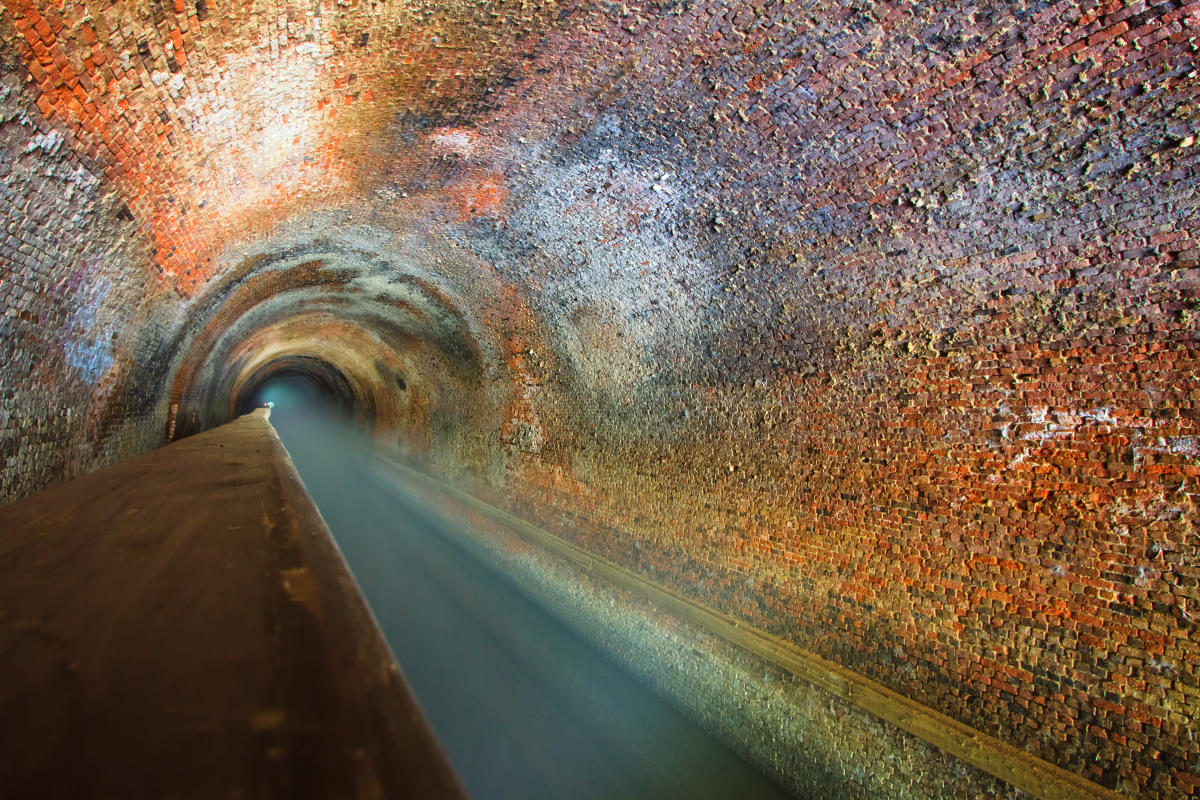
The Chesapeake and Ohio Canal Towpath in Cumberland is more than a scenic trail — it was once a lifeline. Freedom seekers followed the canal north toward Pennsylvania, a free state, sometimes blending in as canal laborers to escape notice. Today, visitors can hike or bike along this same path within the C&O Canal National Historical Park, experiencing both its natural beauty and its historical significance.
Shawnee Oldtown Village: Early Refuge for Freedom Seekers
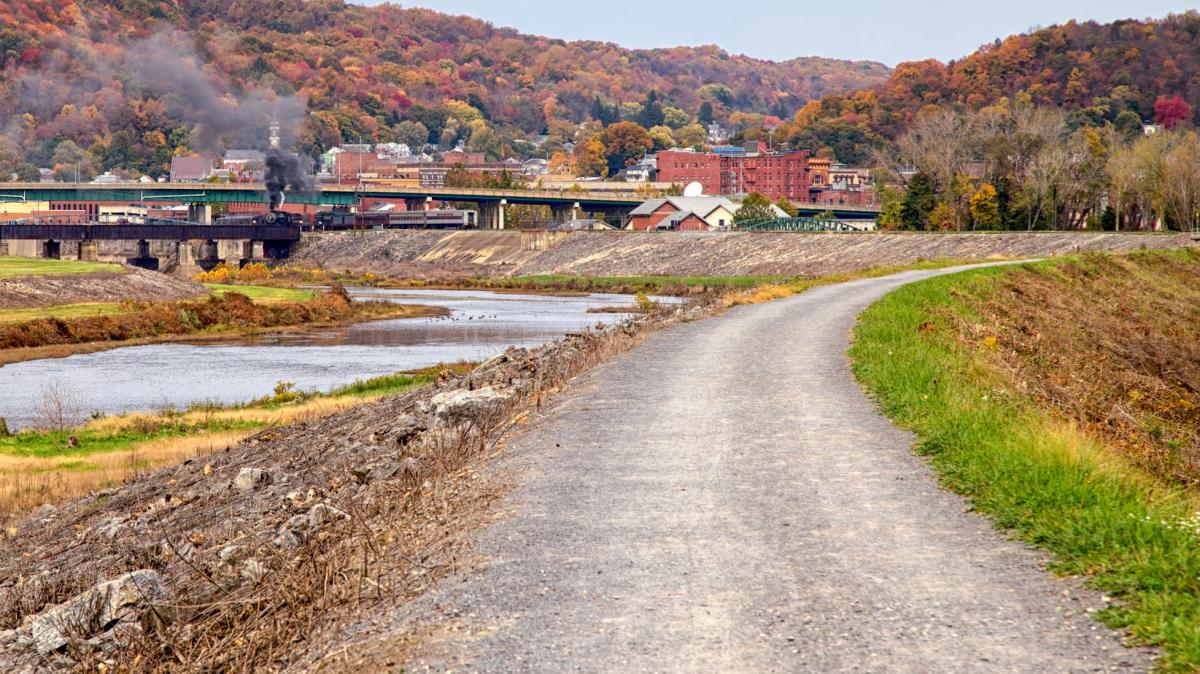
Photo by Steve Dean
Near Oldtown, Maryland, the Shawnee Oldtown Village once stood as a sanctuary for those fleeing enslavement. From 1711 to 1727, Shawnee communities offered refuge along the Potomac River. Though now a forested area within the C&O Canal National Historical Park, the land still carries the legacy of early alliances that supported the journey to freedom.
The Historic National Road: Pathways to Freedom
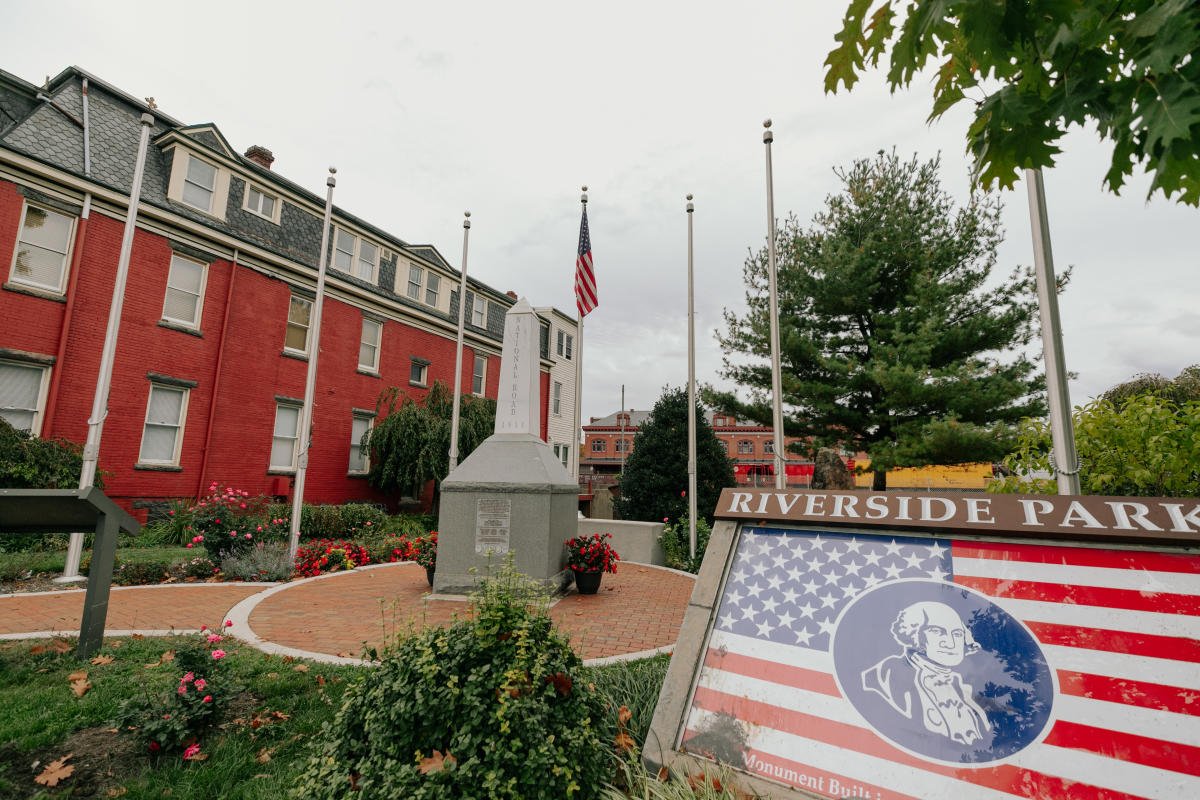
The Historic National Road, which begins in Cumberland, was part of the landscape that freedom seekers navigated in their search for liberty. Current research is exploring how this corridor may be recognized as a future Network to Freedom site, adding to Allegany County’s rich Underground Railroad heritage. Today, visitors can reflect on the road’s historic significance at the National Road Monument in Riverside Park and experience its legacy by traveling the Historic National Road Scenic Byway through Allegany County.
Hidden Tunnels of Emmanuel Episcopal Church in Cumberland
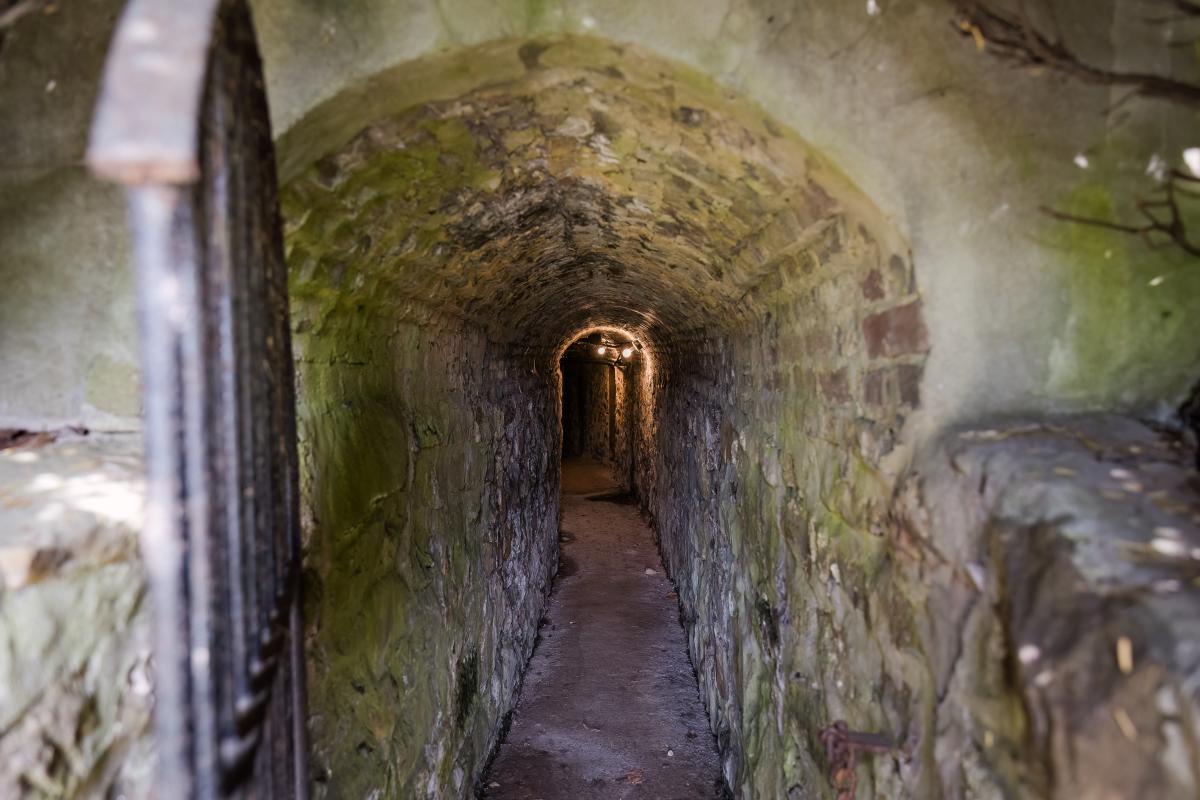
Perched atop the site original site of Fort Cumberland, Emmanuel Episcopal Church (c. 1850) hides a remarkable story beneath its Gothic architecture and Tiffany windows. Oral histories tell of tunnels connecting the church, Allegany Academy (now the Washington Street Public Library), and the rectory, used as safe passage for those escaping slavery. With coded bell signals guiding the way, the tunnels may have served as one of the last stops in Maryland before freedom seekers crossed into Pennsylvania.
Crossing into Freedom at the Mason-Dixon Line Park

Just north of Cumberland, the Mason-Dixon Line Park along the Great Allegheny Passage marks the boundary between Maryland and Pennsylvania, which once served as the line between slavery and freedom. For freedom seekers, reaching this point was a monumental step. Today, visitors can pause at engraved granite markers, interpretive exhibits, and photo-worthy monuments that celebrate the importance of this historic border.
Plan Your Underground Railroad Journey in Allegany County
Visiting Underground Railroad sites in Allegany County also means honoring the resilience and courage of those who traveled these paths. Whether you’re walking the C&O Canal Towpath, tracing history at Emmanuel Episcopal Church, or standing at the Mason-Dixon Line, these experiences connect the landscapes of Mountain Maryland to the larger story of America’s struggle for freedom.
Plan your visit this September during International Underground Railroad Month and discover how Allegany County’s mountains, rivers, and communities played a vital role in the fight for liberty.

Places To Stay
A memorable getaway starts with a great place to lay your head at night, and Allegany…
Things To Do
Allegany County's Mountain Maryland is full of adventure and fun, but there is…

Eat & Drink
You have heard the saying, 'the way to one's heart is through their…